

Office Furniture Design: Creating Productive, Comfortable, and Modern Workspaces

Office furniture design plays a critical role in how people work, collaborate, and feel throughout their day. A well-designed office is not just about looks—it directly affects employee productivity, comfort, health, and overall workplace efficiency. As modern work styles continue to evolve, office furniture design has shifted from rigid and uniform layouts to flexible, ergonomic, and aesthetically pleasing solutions.
In this article, I will explore the key principles of office furniture design, current trends, ergonomic importance, material choices, space planning strategies, and how thoughtful furniture design can transform any workspace into a more productive environment.
The Importance of Office Furniture Design
Office furniture design goes beyond placing desks and chairs in a room. It shapes how employees interact with their work, their colleagues, and their surroundings. Poorly designed furniture can lead to discomfort, health problems, and reduced efficiency, while well-planned furniture layouts can improve focus, creativity, and morale.
Modern businesses recognize that office furniture is an investment, not an expense. The right design supports workflow, reflects company culture, and creates a positive first impression for visitors and clients.
Ergonomics: The Foundation of Good Office Furniture Design
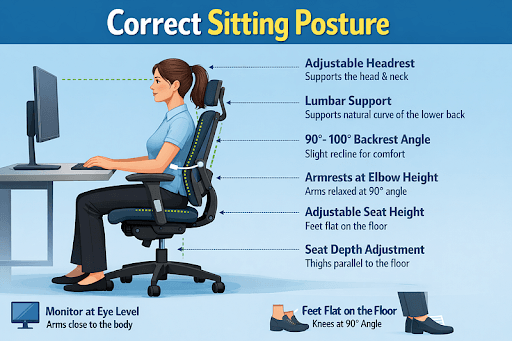
One of the most important aspects of office furniture design is ergonomics. Ergonomic furniture is designed to support the human body, reduce strain, and prevent long-term health issues such as back pain, neck stiffness, and repetitive stress injuries.
Key ergonomic features include adjustable chairs, desks at proper heights, lumbar support, armrests, and adequate legroom. Sit-stand desks have also become increasingly popular, allowing employees to switch between sitting and standing throughout the day.
Space Planning and Layout Optimization
Effective office furniture design starts with smart space planning. Every office has unique spatial constraints, and furniture should be selected and arranged to maximize both functionality and movement.
Open-plan offices benefit from modular furniture systems that can be rearranged easily. Private offices may focus more on executive desks, storage units, and comfortable seating for meetings. In smaller offices, multi-functional furniture such as storage-integrated desks helps reduce clutter and optimize space.
Clear pathways, proper spacing between desks, and defined zones for work, meetings, and relaxation contribute to a balanced and efficient office layout.
Modern Trends in Office Furniture Design
Office furniture design trends continue to evolve with changes in work culture and technology. One major trend is flexibility. Modular desks, movable partitions, and lightweight furniture allow offices to adapt quickly to changing team sizes and work styles.
Another growing trend is minimalism. Clean lines, neutral colors, and clutter-free designs help create calm and focused work environments. Biophilic design—incorporating natural elements such as wood finishes and plant-friendly furniture—is also becoming popular, as it enhances employee well-being.
Technology-friendly furniture, including desks with built-in cable management and power outlets, is now essential in modern office design.
Suggested visual: A modern open office layout showcasing modular desks and minimalist furniture.
Choosing the Right Materials for Office Furniture
Material selection plays a major role in office furniture design. The right materials ensure durability, comfort, and visual appeal. Common materials include wood, metal, glass, and high-quality laminates.
Wooden furniture brings warmth and a professional look, making it suitable for executive offices and meeting rooms. Metal frames provide strength and durability, especially for chairs and workstations. Glass elements are often used in conference tables and partitions to create a sense of openness.
Sustainable materials are also gaining attention as businesses aim to reduce their environmental impact through eco-friendly office furniture design.
Office Furniture Design for Employee Collaboration
Collaboration is a key part of modern work culture, and office furniture design must support it. Collaborative spaces require furniture that encourages interaction, brainstorming, and teamwork.
This includes shared worktables, comfortable lounge seating, whiteboard tables, and flexible meeting furniture. Informal seating areas help employees exchange ideas more freely compared to traditional boardroom setups.
Well-designed collaborative furniture fosters communication while maintaining comfort and functionality.
Storage Solutions and Organization
Efficient storage is an essential element of office furniture design. Poor storage leads to clutter, which negatively affects productivity and creates visual stress.
Smart storage solutions include mobile pedestals, filing cabinets, wall-mounted shelves, and integrated desk storage. Modern office furniture often combines storage with workstations to save space and maintain a clean look.
Organized offices help employees focus better and find documents or tools quickly, saving valuable time during the workday.
Aesthetic Appeal and Brand Identity
Office furniture design also reflects a company’s identity and values. The choice of colors, shapes, and furniture styles communicates professionalism, creativity, or innovation depending on the brand image.
For example, creative industries often use bold colors and unconventional furniture, while corporate environments prefer neutral tones and classic designs. A cohesive furniture design creates a unified look that aligns with company branding and culture.
Designing Offices for Hybrid and Remote Work Models
With the rise of hybrid work models, office furniture design must be more adaptable than ever. Offices are now used for collaboration, meetings, and focused tasks rather than full-time desk work.
Furniture such as hot-desking stations, flexible seating, and compact meeting pods support this shift. Comfortable chairs, shared desks, and adaptable layouts ensure the office remains functional even with fluctuating occupancy levels.
This adaptability makes modern office furniture design future-ready.
Final Thoughts on Office Furniture Design
Office furniture design is a powerful tool for shaping workplace experiences. From ergonomics and space planning to aesthetics and flexibility, every design choice impacts employee well-being and productivity.
By focusing on comfort, functionality, and modern design principles, businesses can create workspaces that support both individual performance and team collaboration. As work environments continue to evolve, thoughtful office furniture design will remain essential in building efficient, healthy, and inspiring offices.


